
If you constantly battle with redundant photos or duplicate video clips, the situation can quickly turn into wasted storage and a cluttered library. Modern Windows users often accumulate copies without noticing, especially after system updates or when synchronising folders across devices. A tool that can sift through gigabytes in seconds becomes essential for keeping a lean, organized drive.
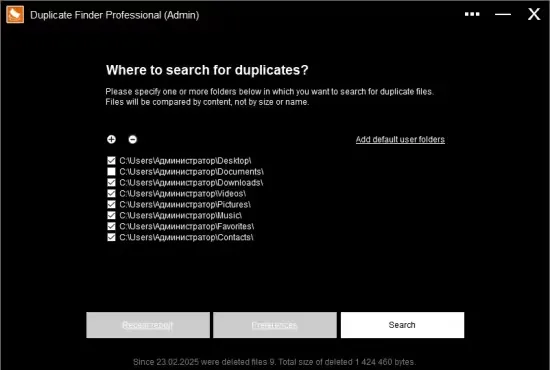
Duplicate Finder Pro 2026 v420 offers a portable solution that runs directly from a USB stick, requiring no installation. After selecting any directory—whether it’s a personal pictures folder or a system path—the program launches a rapid scan, presenting results in a tidy, sortable view. The emphasis is on speed, accuracy, and a workflow that lets you decide which files to keep.
How the scanning engine works
The heart of the utility relies on the MD5 hashing algorithm. Instead of comparing filenames, the program generates a 128‑bit checksum for each file and matches identical hashes. This method guarantees that two files with different names but identical content are flagged as duplicates. Because hashing is performed in memory, the process completes in a matter of seconds even on modest hardware.
Scanning can be limited to specific file types, such as JPEG, PNG, MP4, or AVI, which helps focus the operation on media assets. Users may also choose to include sub‑folders, allowing a deep dive into nested directories without manually adding each path.
Navigating results with the built‑in viewer
Once the scan finishes, Duplicate Finder Pro displays groups of duplicates sorted by size—large, medium, and small. Each group can be expanded to reveal individual files, and a preview pane lets you open images directly within the application or launch the default Windows viewer.
For quick file location, a button opens the containing folder in Windows Explorer. From there, you retain full control: copy, move, or inspect metadata before deciding. The interface also supports sending unwanted copies to the Recycle Bin, preserving a safety net in case of accidental deletion.
Performance on typical Windows setups
Benchmarks on a Windows 10 machine equipped with a mid‑range SSD showed that scanning a 200 GB media collection took roughly 45 seconds. The optimized core, compiled with the latest settings, reduces CPU spikes and memory consumption, making the tool suitable for older laptops as well as high‑end workstations.
The portable nature of the application means it does not write to the registry or create lingering background services. As a result, system performance remains unaffected after the scan, and you can run the program on multiple PCs without leaving a footprint.
Best practices for safe cleanup
Even though the utility is precise, it is wise to adopt a cautious approach when deleting files that reside in critical system folders. Follow these simple steps to avoid unintended loss:
- Review each duplicate using the preview window before confirming removal.
- Prefer sending files to the Recycle Bin rather than permanent deletion.
- Create a quick backup of the folder you are cleaning, especially if it contains system‑generated data.
- Use the size‑based grouping to target large, unnecessary files first, freeing space more efficiently.
The program also remembers the last scan results, so you can resume work without re‑scanning the same directories. This feature is handy for large libraries where a full re‑scan would be time‑consuming.
" , "meta_description": "Duplicate Finder Pro 2026 v420 quickly locates identical photos and videos on Windows, using MD5 content matching and a clear UI for safe removal, safely.