
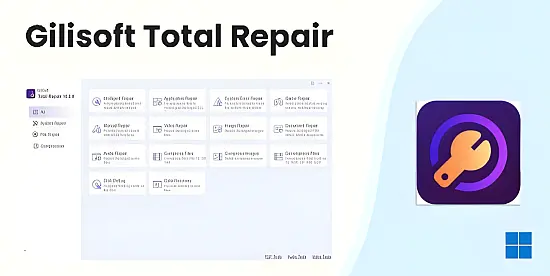
The portable suite delivers a comprehensive approach to Windows maintenance, merging automated diagnostics, deep‑level repairs, and performance tuning into a single interface. By scanning core components such as the registry, system files, and driver libraries, it pinpoints issues that commonly degrade responsiveness, cause application crashes, or trigger blue‑screen events. Once identified, the engine applies corrective actions without requiring user intervention, making it suitable for both home PCs and business workstations. Its modular design also allows power users to bypass automation and target specific problems, ensuring flexibility across a wide range of scenarios.
The solution targets a diverse audience, from casual users who need a quick fix for sluggish startups to IT professionals responsible for maintaining fleets of machines. Gamers benefit from specialized optimizations that keep graphics APIs and runtime libraries up to date, while content creators can recover corrupted media files through AI‑enhanced algorithms. Because the package runs without installation, it can be deployed from USB drives or network shares, providing immediate assistance in environments where traditional software deployment is impractical.
The gaming optimizer focuses on the runtime environment, automatically updating DirectX, Visual C++ redistributables, and other essential components that modern titles rely upon. It also resolves common launch failures, eliminates stuttering caused by background services, and fine‑tunes memory allocation to deliver a smoother experience for demanding AAA releases.
Independent benchmarks indicate frame‑rate improvements ranging from ten to twenty‑five percent, along with loading‑time reductions of up to forty percent in several high‑profile games. By maintaining an up‑to‑date graphics stack and clearing residual conflicts, the module helps gamers achieve stable, high‑performance sessions without manual configuration.
AI‑Driven Multimedia Recovery
Leveraging machine‑learning models, the suite can reconstruct corrupted image, video, audio, and document files. The AI analyzes file headers, detects patterns of degradation, and intelligently rebuilds missing data segments, often salvaging up to ninety‑two percent of the original content. Supported formats include JPEG, PNG, MP4, AVI, MP3, DOCX, and PDF.
For creators who depend on the integrity of visual and textual assets, this feature reduces the risk of irreversible loss. By automating the recovery process, the tool eliminates the need for specialized third‑party utilities, allowing professionals to restore their work quickly and resume production with minimal disruption.
Disk Optimization and Manual Controls
The disk management component distinguishes between traditional hard drives and solid‑state drives, applying the appropriate optimization technique. HDDs undergo classic defragmentation to consolidate fragmented files, while SSDs receive TRIM commands that clear unused blocks, extending drive lifespan and improving read/write latency.
Advanced users can supplement automated processes with manual interventions, selecting precise actions to suit unique environments. The tool presents a concise menu of expert options, enabling granular control over system health.
- Selective registry editing for targeted key repairs
- Driver version rollback to previous stable releases
- Custom compression settings for secure archiving
- Scheduled disk cleanup to remove temporary files
- User‑defined repair scripts for repeatable tasks