
Creating a polished video used to require a steep learning curve and expensive hardware. With the 2026 release of Nero Video, hobbyists and professionals alike can tackle 4K projects on a typical Windows PC while enjoying a set of AI‑driven tools that automate many time‑consuming steps.
The portable edition packs the full capabilities of the Nero Platinum Suite into a single executable, meaning you can run it from a USB stick or external SSD without a traditional installation. This flexibility makes it an attractive option for on‑the‑go editors who need consistent performance across different machines.
A Timeline Designed for Speed and Clarity
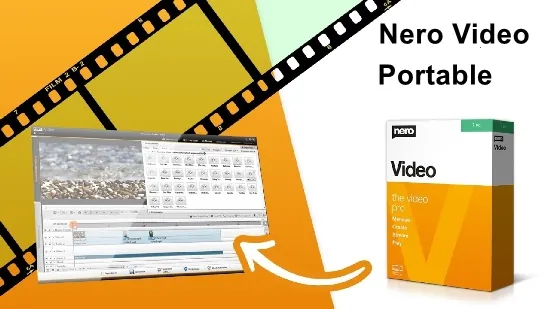
When the program starts, the workspace greets you with a clean, dark‑themed canvas that separates the preview monitor, the media bin, and the multitrack timeline. Unlimited tracks can host video, audio, images, or titles, allowing you to layer content without worrying about preset limits. Drag‑and‑drop imports work from cameras, smartphones, or cloud folders, instantly sorting clips into logical bins.
For users on modest hardware, Nero Video automatically generates low‑resolution proxies, so real‑time playback stays fluid even when working with high‑bitrate 4K footage. Keyboard shortcuts and customizable tool panels let power users streamline repetitive actions, while a step‑by‑step wizard guides newcomers through quick‑edit projects like slideshows or disc menus.
Core Editing Mechanics Reimagined
Trimming and arranging clips feels intuitive thanks to ripple, slip, and roll tools that preserve sync across all tracks. Keyframe animation lets you adjust position, scale, rotation, and opacity on a frame‑by‑frame basis, enabling smooth zoom‑ins or fade‑outs without third‑party plugins.
Speed manipulation is handled through a dedicated ramping feature that creates slow‑motion or timelapse sequences without visible artifacts. Frame blending smooths the transition between speed changes, preserving visual continuity.
Creative Effects Powered by Artificial Intelligence
Nero Video 2026 introduces a library of more than one hundred transitions, ranging from classic dissolves to 3D flips. Each effect includes adjustable timing and motion parameters, so you can fine‑tune the look to match your narrative pace.
Audio processing benefits from waveform visualization, volume keyframes, and an AI‑driven noise‑reduction module that isolates background hiss without muffling speech. The program also detects musical beats, allowing you to snap cuts or effects to rhythm automatically.
Advanced Tools for Professional‑Grade Output
Multicam editing synchronizes multiple camera angles using either embedded timecode or waveform matching, letting you switch perspectives on the fly. The built‑in chroma‑key engine supports green‑screen compositing, while motion‑tracking anchors graphics to moving subjects for dynamic titles or stabilisation.
AI‑powered stabilization analyses each frame to correct unintended rolls, pans, or zooms, delivering a steady result that would otherwise require costly external software. The color suite offers waveform, vectorscope, and parade scopes, plus primary/secondary wheels and LUT import for cinematic grading. HDR workflows are supported up to 12‑bit depth, with tone‑mapping options that convert high‑dynamic‑range material to SDR for broader playback compatibility.
Export, Burning, and Streaming Options
When the edit is complete, Nero Video lets you render directly to 4K, Full HD, or standard‑definition formats, preserving the original quality of source clips. You can also isolate individual scenes for batch export, a handy feature for creating teaser clips or social‑media snippets.
- DVD and Blu‑ray authoring with customizable menus and chapter markers
- Cover design via Nero CoverDesigner integration
- Direct streaming to smart‑TVs or mobile devices using the free Nero Streaming Player app
- Wi‑Fi Transfer utility for wireless file exchange between PC and smartphones
- Support for vertical video templates, ideal for Instagram Reels or TikTok
All exported media can be streamed locally or uploaded to platforms such as YouTube, with built‑in metadata handling that tags resolution, frame rate, and codec details automatically.